FIFAの新経済モデルがもたらす高額なチケット価格
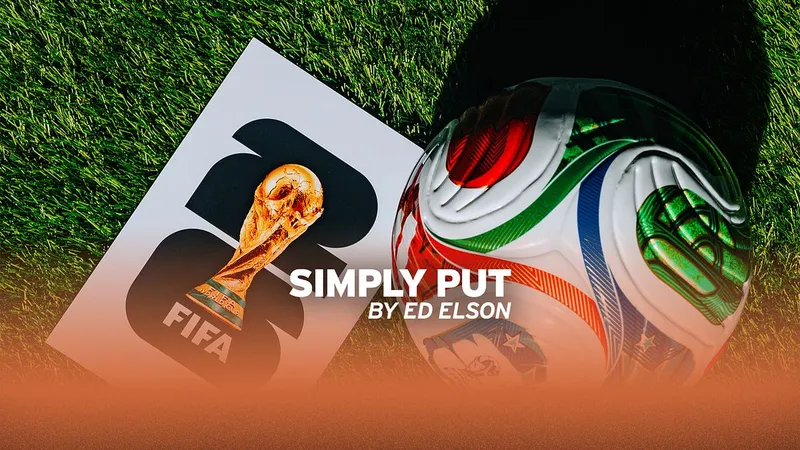 高騰するWorld Cupチ
FIFAは新たに導入した動的価格設定モデルにより、2022年ワールドカップのチケット価格を大幅に値上げした。
低位席でも$11,000を超えるなど史上最も高額な大会となり、FIFAは$3億の利益を得る見込みである。
FIFAが主催するワールドカップが米国で開催され、観戦費用が過去最高となる中、その経済モデルが注目されています。
ワールドカップの観戦費用が過去最高に
今年のワールドカップは米国で開催され、観戦チケットの価格が過去最高に急騰しています。2022年のカタール大会では1,600ドル程度でしたが、今年は8,600ドルを超え、最上位席では33,000ドルにもなりました。これはチケット販売の収益が前回大会より216%増加する予定で、FIFAが新たな経済モデルを採用した結果です。
動的価格設定が新たな経済モデル
FIFAは航空業界の価格設定モデルを導入し、チケット価格を需要変動に応じてアルゴリズムで調整しています。これにより、87%の試合で価格が上昇し、一部では6か月で倍以上に跳ね上がりました。このモデルは、チケット販売を2回行うことでFIFAが利益を最大化しようとするものです。
動的価格設定の今後と課題
動的価格設定は今後、スーパーマーケットなどにも広がる可能性があります。米国の大手スーパーは電子表示ラベルを導入し、価格を瞬時に変更できるようになっています。一方で、規制機関は「監視価格設定」を禁止する法律案を提出しており、今後の課題は明確です。
まとめ
FIFAの経済モデルはスポーツ界だけでなく、私たちの生活にも大きな影響を与える可能性があります。
原文の冒頭を表示(英語・3段落のみ)
Everyone’s talking about SpaceX, something we’ve (fortunately) discussed already. TL;DR on what I predicted: 1) The stock will pop 25% on the first day of trading. (Check.) 2) It’ll be halved within 6 months. (TBD.) For my full views on SpaceX, read my S-1 analysis.Today I want to discuss another passion of mine: football (the real one). The World Cup, arguably the world’s greatest sporting event, kicked off last week. This year’s tournament will reach six billion fans, or more than four in five people on earth with internet access. Even more exciting: It’s happening here in America. On Saturday I watched SoFi Stadium erupt as USA’s Gio Reyna scored a last-second curler against Paraguay — you could feel the electricity coming through the screen. Quick cultural prediction: The World Cup will inspire a relationship boom as Gen-Z finds new reasons to get together in person.Sadly, the cost of seeing a world World Cup match in person is out of reach for most fans. When the U.S. last hosted in 1994, a high-end ticket to the final cost roughly $1,000 in today’s dollars. At the 2022 World Cup in Qatar, the price was about $1,600. This year? Over $8,600. But that’s only the beginning. On resale platforms, World Cup Final tickets have risen another 60% to nearly $11,000. But that’s for a low-tier seat … in the highest tier it’ll cost you a whopping $33,000. This will be the most expensive World Cup of all time, and as a result, the most profitable: FIFA’s set to rake in $3 billion in ticket sales this year — a 216% increase from the previous tournament.ShareWhy so expensive? It isn’t oil or tariffs or inflation. No, this year’s World Cup is the priciest in history because of a new economic model FIFA has quietly deployed. Simply put, this new model may transform not just the beautiful game, but our entire economy. Put simpler: Everything’s about to get more expensive.Two words explain everything: dynamic pricing. Historically, the price of a first-hand World Cup ticket was fixed. But this year FIFA went with the airline model: Ticket prices adjust algorithmically based on changes in demand. That may not seem like a big deal (prices fall on low demand, right?), but it turns out it is: Ticket prices rose for 87% of matches this year, with some more than doubling in six months.How does the algorithm actually work? No one knows. As a result, FIFA has been accused of “opaque pricing, shifting rules, and potentially deceptive practices.” Officials have even noted that the organization might be “restricting ticket supply to shape demand.” In other words, all the “demand” that was supposedly lifting prices might have been, well … fabricated. This theory was corroborated by last week’s unusual headline: “FIFA Still Has 180K World Cup Tickets Unsold.” Tickets that, as of a few weeks ago, were in very high demand. Strange…The good news for FIFA is none of this matters. This year the organization launched an official re-sale marketplace that charges both the buyer and seller a 15% fee (six times the fee cap at the previous World Cup). That means FIFA essentially gets to sell its tickets twice — once in the initial (inflated?) sale, and again when they’re flipped by scalpers. Call it the perks of being a monopoly.FIFA’s doing what every corporation wants to do. From Wendy’s to Target, companies across America are trying to figure out how to use dynamic pricing without pissing too many people off. As for industries that already price dynamically (i.e. airlines and hotels), the mission is to be … more dynamic. Delta recently partnered with an AI firm to help personalize prices based on how much customers are willing to pay, and JetBlue is allegedly doing the same thing. Put another way, it’s no longer about demand, but how desperate you are.The next frontier of dynamic pricing will be groceries. Large grocers across America are replacing physical price tags with digital ones, making it possible to adjust grocery prices with the click of a button. Already, nearly a quarter of Kroger stores have electronic shelf labels. Walmart is rolling them out to every location by the end of the year. If you felt swindled buying World Cup tickets, just wait until you see next year’s grocery bill.Naturally, regulators are scrambling. Maryland recently became the first state to ban “surveillance pricing” in grocery stores, and 12 states have introduced similar bills. The devil will be in the details, however, as the lines between “surveillance pricing” vs. “dynamic pricing” vs. “algorithmic pricing” vs. “surge pricing” are blurry. In the business world, that means exploitable. And exploit they have: Kroger’s defense to Congress was that it “never engaged in ‘surge pricing’,” a term we’ve yet to legally define.Back to FIFA. How much would it actually cost to attend one of these games? Between transportation, accommodation, and the ticket itself, the answer is a lot. Let’s say you’re a New Yorker who wanted to see USA in last week’s opener in Los Angeles. We ran the numbers — here’s how that bill would have stacked up.That’s more than a month’s rent in NYC for just one match, no merch included. At a certain point, the numbers no longer make sense. We’re way past that point. Instead of catering to the sport’s most loyal fans, FIFA is excluding all but the wealthiest. Maybe that was always the plan.The downside, however, will be felt in the atmosphere. You won’t see drum-wielding face-painted hooligans doing the Poznań. Instead, you’ll see seated men in suits, likely texting or asking their neighbor how the offside rule works. (And if you’re really unlucky, you might see Marco Rubio.) In the words of every disgruntled football fan in the UK: The game’s gone.I make very good money — solidly in the top 5% of earners. I’m also an avid football fan: I’ve supported Chelsea since I was four years old and used to unironically pray to Frank Lampard. (Not a joke.) I have every reason to purchase a ticket to this World Cup, and yet I probably won’t. Why? It isn’t worth it.Set aside the exorbitant price for a moment. If there’s anything I’ve learned from the Knicks’ win, it’s that the energy of a street-corner with a projector screen can rival that of a stadium. If you don’t believe me, you do now. Many of my greatest football memories have happened in front of a screen — sometimes at the pub, other times in a living room, but always in the company of other fans, aka … a community. If you want to feel the magic of the World Cup, you don’t have to be there. All you really need is a TV, and friends.See you next week,Ed
※ 著作権に配慮し、引用は冒頭3段落までです。続きは元記事をご覧ください。